How Often Should You Inspect a Roof in Connecticut?
Roof inspection frequency depends on age, weather exposure, and material condition. Get the specific intervals for Connecticut homes by roof age.
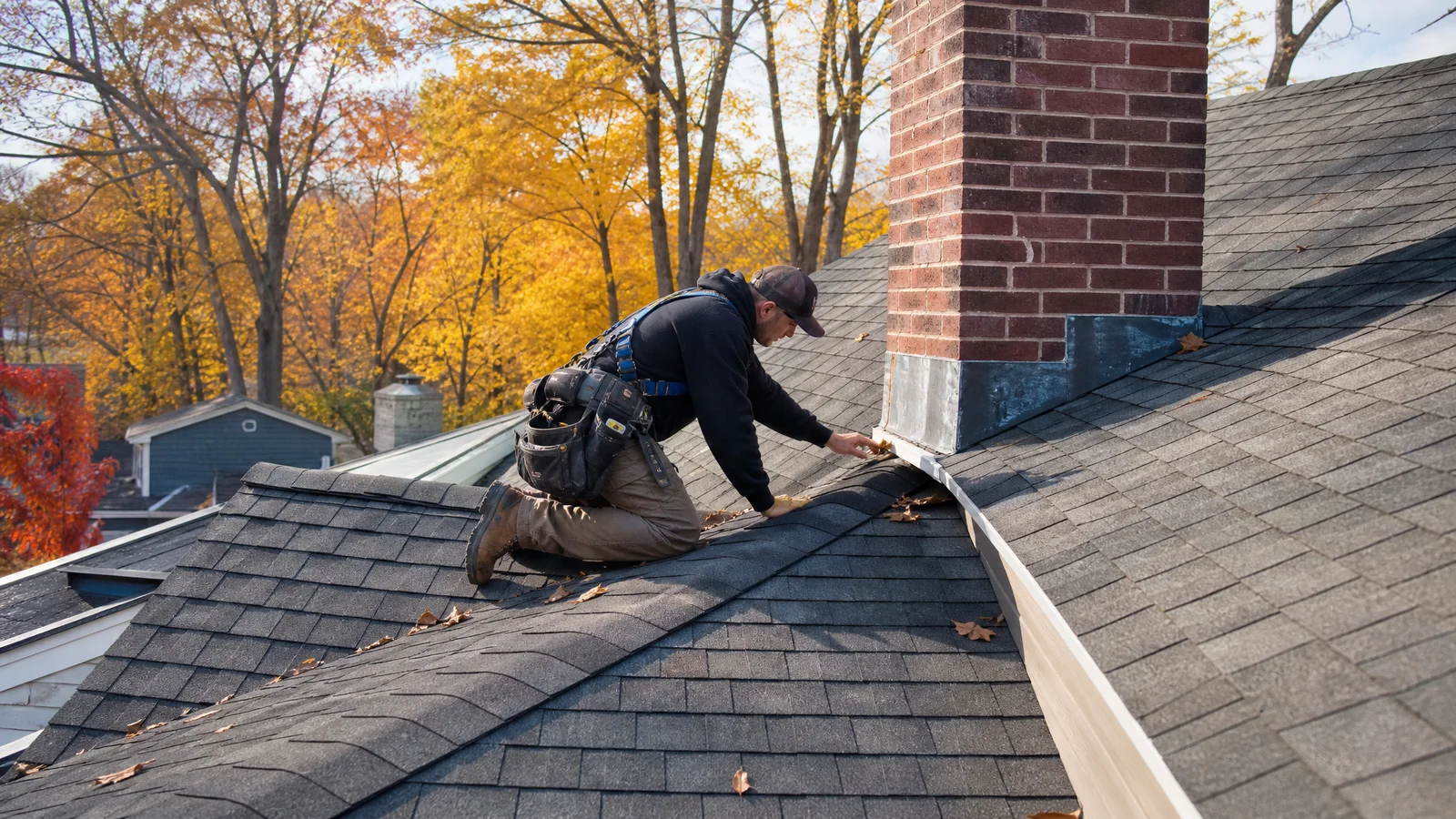
Most homeowners do not think about their roof until a leak forces the issue. By that point, a problem that would have cost a few hundred dollars to fix has grown into thousands in structural damage. Knowing how often to inspect roof systems eliminates that surprise and keeps small issues from compounding through Connecticut’s demanding weather cycles.
Here are the specific inspection intervals by roof age, the seasonal timing that matters most, and the events that should trigger an immediate call.
Inspection Intervals by Roof Age
The right frequency depends primarily on how old your roofing materials are. The National Roofing Contractors Association recommends routine professional assessments aligned with the material life cycle, and those intervals tighten as materials age.
| Roof Age | Routine Schedule | Storm Response |
|---|---|---|
| 0 to 10 years | One professional inspection every 2 to 3 years as a baseline | After any major storm event |
| 10 to 15 years | Annual check to monitor material degradation | After any major storm event |
| 15 to 20 years | Annual professional inspection, fall preferred | Within one week of any major storm |
| 20+ years | Twice yearly: fall (October) and spring (April) | Within days of any major storm |
A 2026 SquareDash report puts the average Connecticut roof replacement between $10,200 and $14,400. Routine inspections that cost $150 to $350 each keep you from reaching that five-figure bill prematurely by catching problems while they are still minor repairs.
Fall: The Most Critical Window
Fall inspections prepare your roof for the harshest season in West Hartford’s climate. Connecticut winters bring 38 to 52 inches of snow, sustained freezing temperatures, and repeated freeze-thaw cycles that exploit every vulnerability left behind by summer storms.
An inspection in October catches lifted flashings, cracked pipe boots, and damaged shingles before ice dams have a chance to form around them. Professional ice dam removal averages $1,200 in 2026, but the water damage that follows an undetected breach can exceed $4,000.
Fall inspection priorities:
- Gutters cleared of debris and draining properly
- All flashing tight and sealed before ice dam season
- Shingle field intact with no lifted or missing tabs
- Attic ventilation balanced (soffit-to-ridge airflow)
- Ice-and-water shield coverage confirmed at eaves
The Insurance Information Institute lists freezing and water damage among the most frequent homeowner insurance claims. A fall inspection is the most cost-effective defense against those claims.
Spring: The Recovery Check
Spring inspections evaluate what winter did to your roof. Heavy snow loads (a standard residential roof can support roughly 6,000 pounds during a major storm) stress gutters, shingles, and decking. Thermal shock from rapid temperature swings cracks brittle shingle material.
What spring inspections look for:
- Ice dam damage to shingles and underlayment along eaves
- Wind damage from winter storms across the shingle field
- Gutter separation from fascia caused by ice weight
- Flashing displacement from ice movement
- Decking condition after sustained freezing
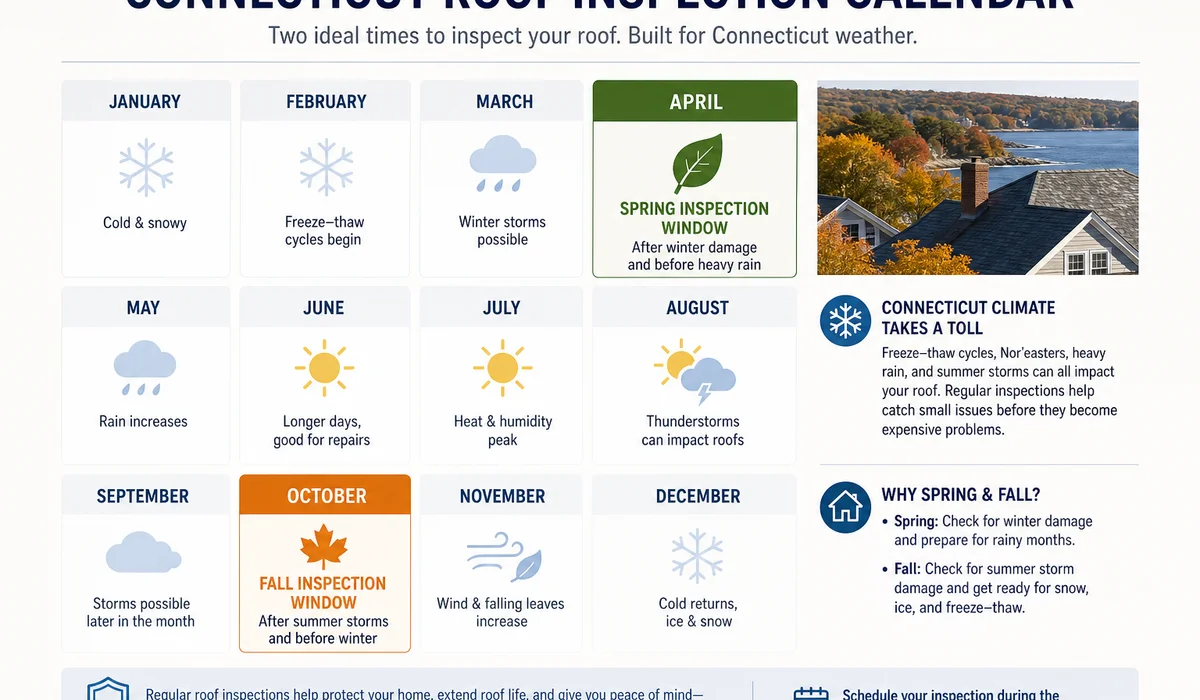
Catching spring damage early prevents it from sitting through the wet season when every rain event would push water through any new openings.
Events That Trigger Immediate Inspection
Certain weather events override your routine schedule. Regardless of when your last inspection occurred, get professional eyes on the roof after any of these:
- Named storms with sustained winds over 40 mph. Wind accelerates 20 to 40 percent as it flows over the peak of a house, meaning 40 mph ground winds can create 50+ mph uplift at the ridge.
- Hail-producing thunderstorms. Hail damage on asphalt shingles is often invisible from the ground but clearly visible from the roof surface.
- Heavy nor’easters. Snow weight and wind-driven rain combine to stress every component simultaneously.
- Any severe weather warning for your area. Even near-misses can produce localized damage from microbursts or falling branches.
Documenting storm damage promptly also creates a clear baseline for potential insurance claims. West Hartford Roofing helps homeowners gather photographic evidence before secondary leaks develop.
Pre-Purchase: A Non-Negotiable Check
Buyers should always order a dedicated roof inspection before closing on a property, regardless of the seller’s claims about condition. General home inspectors do not carry the specialized training needed to identify hidden roofing failures.
A professional roof assessment typically runs $150 to $350. Replacing a roof immediately after closing could cost over $14,000 at current Connecticut averages. A detailed inspection report gives buyers leverage to negotiate repairs or price adjustments before the transaction closes.
When You Can Safely Wait
Not every roof needs an annual visit. You can comfortably skip a scheduled inspection when all of these conditions are true:
- Roof is under 10 years old
- No visible problems from ground level
- Last professional inspection was within 3 years
- No major storms have hit the area since the last check
- No interior signs of moisture on ceilings or walls
Homes in West Hartford with proper attic ventilation and R-49 insulation generally experience fewer weather-related issues, allowing for less frequent checks during the first decade.
Building Your Inspection Calendar
A practical schedule combines routine age-based checks with event-driven assessments. Most homeowners need just one or two planned inspections per year supplemented by post-storm calls when warranted. This approach ensures you only pay for service that matches the actual condition and exposure of your roof.
See our roof inspection service for what a professional check covers, or book an inspection to get your home on a proactive schedule.
Frequently Asked Questions
When is the best time to inspect a roof in Connecticut? ▼
Fall before winter and spring after. Fall catches summer storm damage before ice dams form. Spring catches winter damage before heavy spring rains exploit it. Also inspect after any major storm regardless of season.
How often should an older roof be inspected? ▼
Roofs past 15 years benefit from annual professional checks. Past 20 years, twice a year in fall and spring is recommended.
Should I schedule an inspection if nothing looks wrong? ▼
Yes, on a reasonable interval. Many problems are invisible from the ground until they become expensive. Periodic professional checks catch issues when they are still minor.
Ready to talk to a roofer?
Read about our professional roof inspection service or get a free estimate.