Last updated:
How We Handle Roof Emergencies Across Hartford County
A roof emergency is one of the most stressful events a homeowner can face. Water is actively entering your home, and the longer it flows, the more damage it causes to your insulation, framing, and interior finishes.
The Environmental Protection Agency warns that mold can begin colonizing wet building materials within 24 to 48 hours. That timeline drives everything we do during an emergency call.
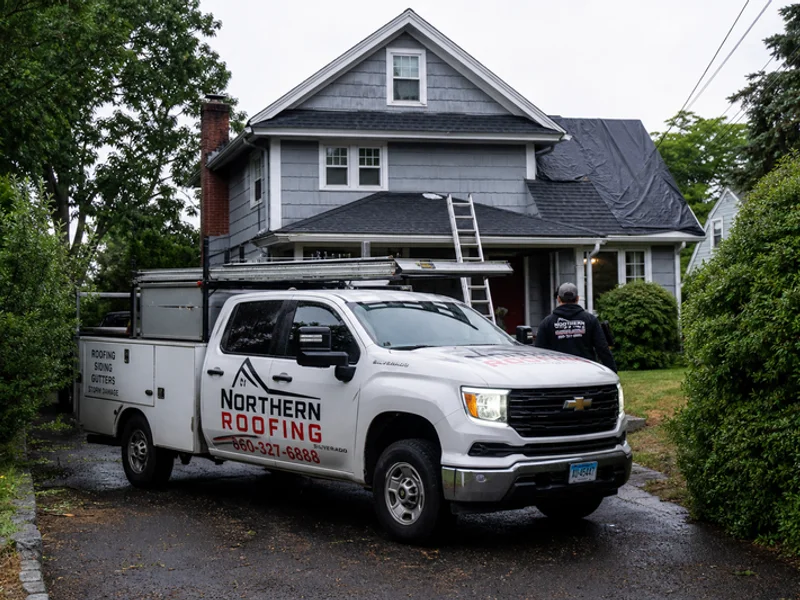
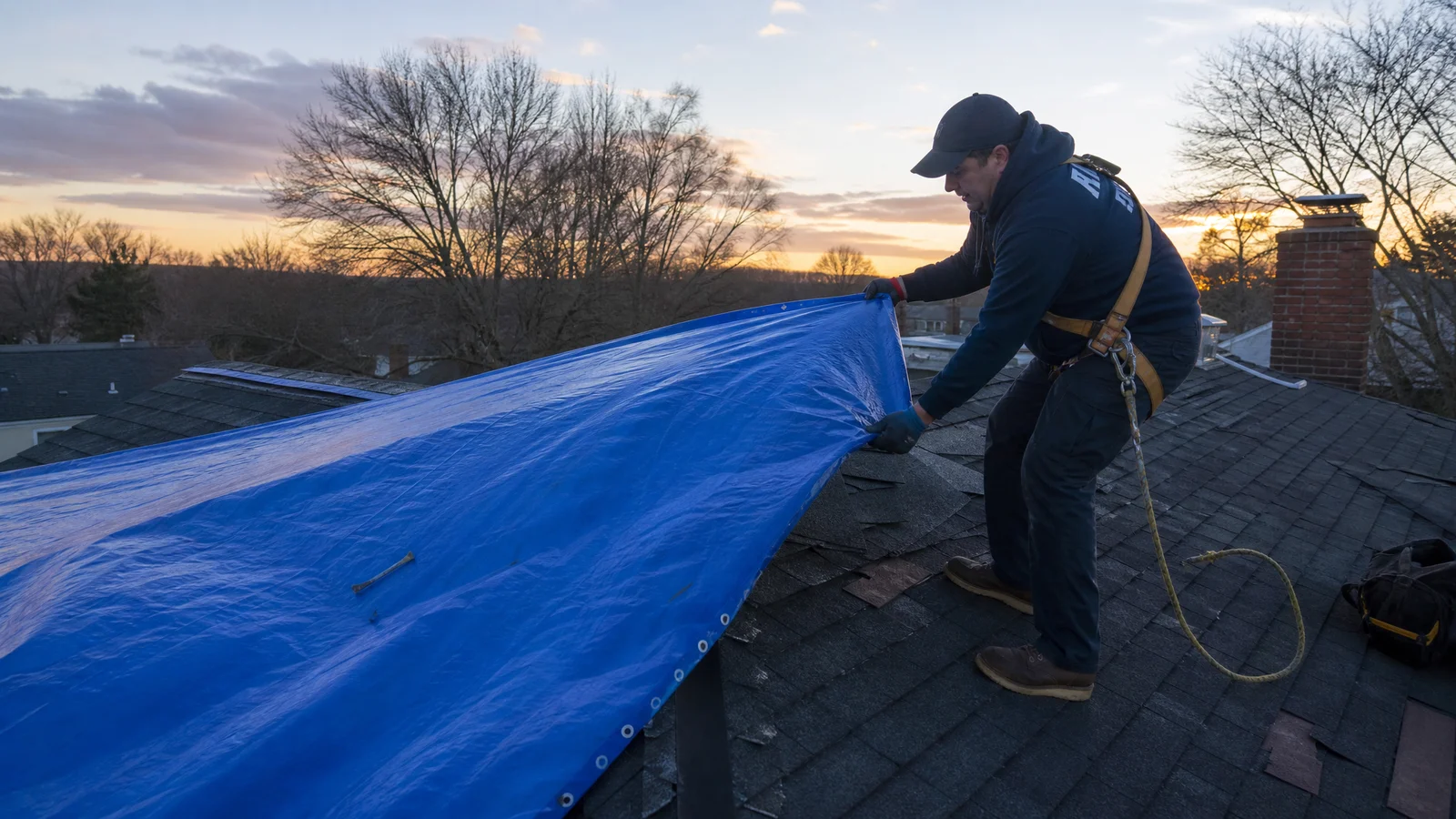
West Hartford Roofing keeps emergency trucks loaded with heavy-duty tarps, battens, temporary shingle stock, and professional-grade sealant. When you call, dispatch sends a crew immediately. Our goal is simple: stop the water, contain the damage, and build a clear plan for permanent repair.
What Happens During a 24/7 Emergency Call-Out
Every emergency follows a structured triage process. We secure the exterior first, then assess and contain any interior water damage. This approach prevents secondary problems like saturated wood framing and mold growth from developing while you focus on next steps.
Our crew arrives with the equipment to handle most situations on the first visit:
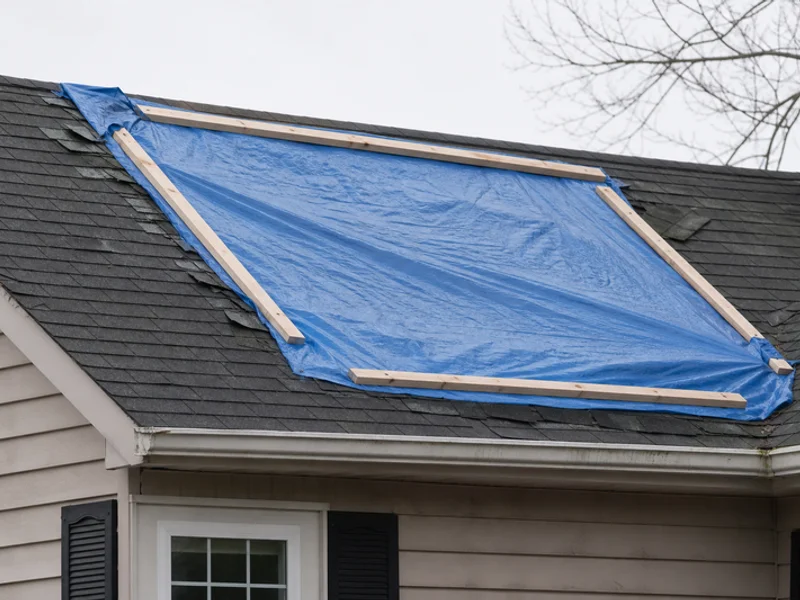
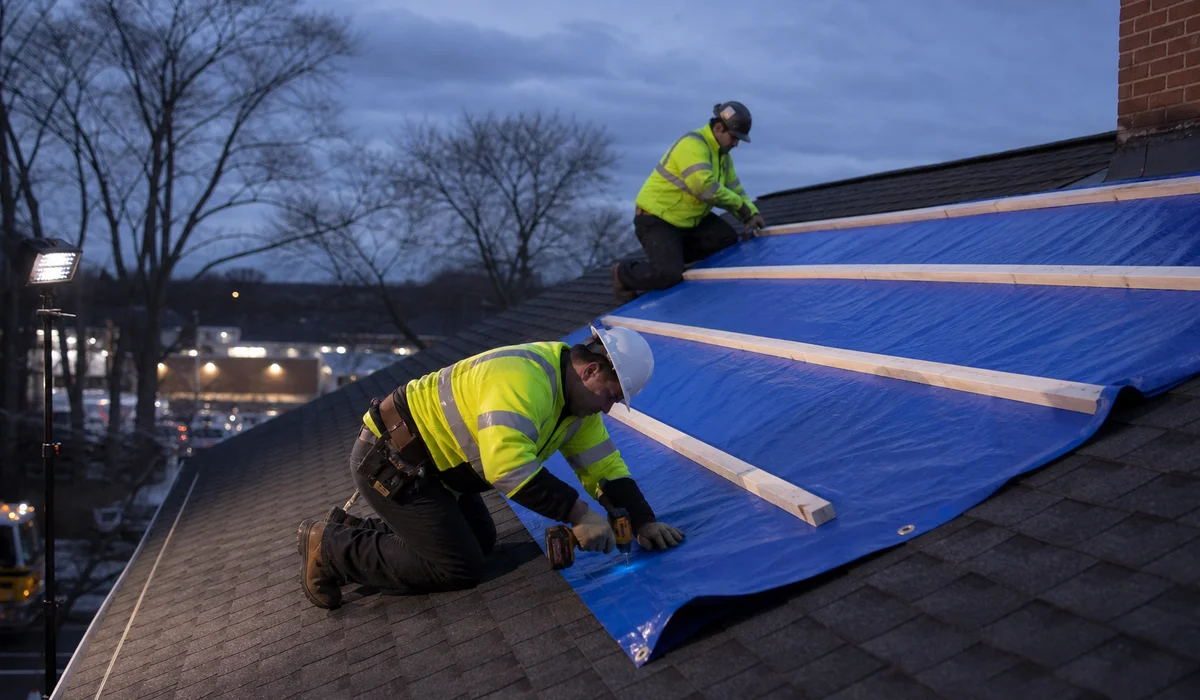
- Heavy-duty 12-mil to 16-mil tarps secured with 2x4 battens fastened directly into the roof deck
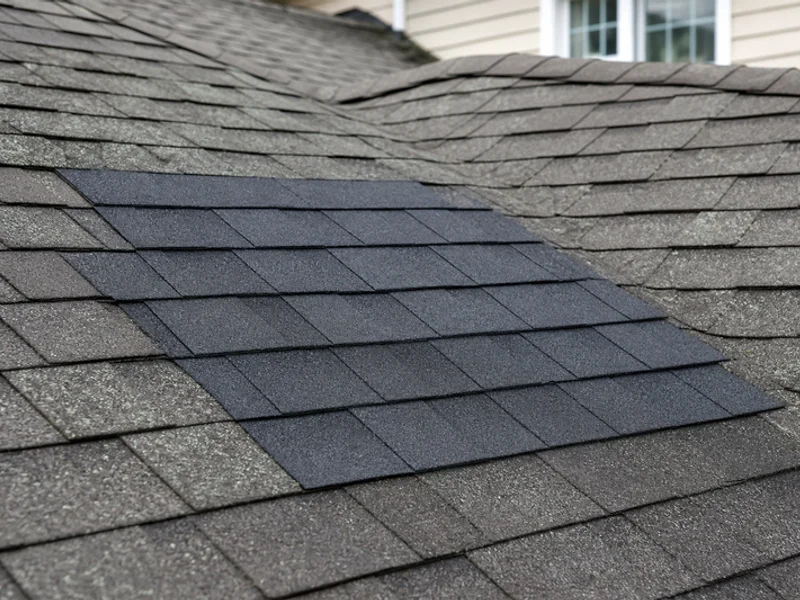
- Temporary shingle patches for smaller sections of missing or lifted shingles
- Emergency sealant application on active flashing failures
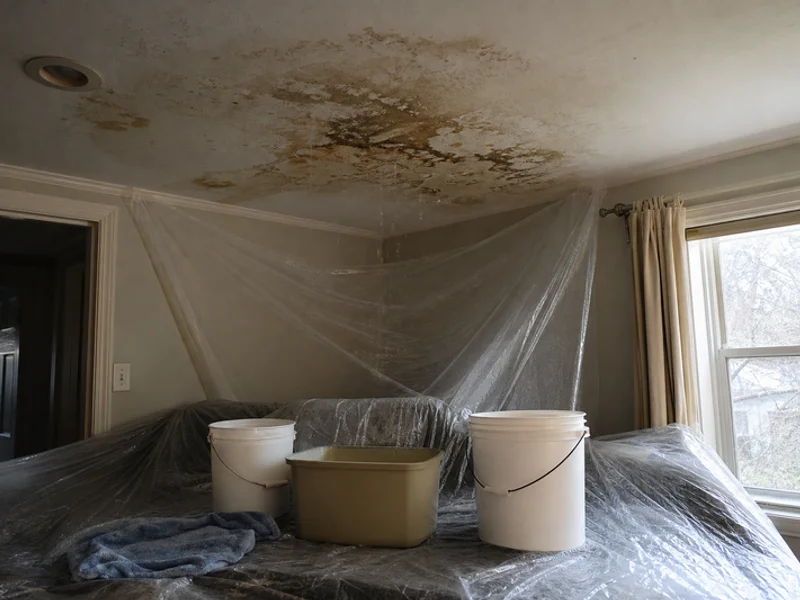
- Interior guidance on water catch placement and where to start drying
- Full photo documentation while the damage is fresh and visible
FEMA recommends at least 6-mil polyethylene sheeting for emergency roof coverage. Our tarps exceed that standard because lighter materials tear in the wind gusts that are common in the Connecticut River Valley. The batten technique physically prevents wind uplift, keeping your home sealed until permanent repairs begin.
Why Older West Hartford Homes Are Especially Vulnerable
Many properties in neighborhoods like West Hartford Center and Bishops Corner were built between the 1920s and 1960s. These older Colonials and Cape Cods often have original or aging roof decking that becomes fragile over time. When storm damage occurs on these structures, the compromised decking can allow water to spread much faster than on newer construction.
Historic homes near Westmoor Park with steep slate or cedar shake roofs present additional challenges during emergencies. Securing a tarp on a 12/12 pitch slate roof requires specialized techniques and safety equipment that a general handyman simply does not carry.
Our crew leads have years of experience working on the specific architectural styles found across West Hartford. That familiarity means faster, safer emergency response when conditions are at their worst.
The Real Cost of Delayed Emergency Response
A ceiling drip often conceals a much larger problem in the attic cavity above. According to 2026 HomeAdvisor data, typical water damage cleanup runs $3,700 to $4,300 nationally, and that figure climbs fast when mold remediation enters the picture.
| Time Elapsed | Potential Property Damage |
|---|---|
| 1 to 2 Hours | Drywall swells, paint begins to bubble, and carpet padding absorbs water. |
| 24 to 48 Hours | Mold spores activate on wet surfaces. Fungal growth begins in hidden cavities. |
| 3 to 7 Days | Structural wood framing weakens. Full mold colonies form behind walls. |
These timelines are why we treat every emergency call with urgency, regardless of the apparent size of the problem. A small drip at the ceiling often means a much larger saturated area above it.
From Emergency Tarp to Permanent Repair
Once the tarp is secured and the immediate crisis has passed, you finally have time to evaluate your options without water actively damaging your home.
If the damage resulted from a covered storm event, strong photographic evidence taken at the time of the emergency dramatically improves your insurance claim outcome. Our documentation includes measured damage areas, close-up material photos, and overview shots that adjusters need to process claims efficiently.
”Having clear photo evidence of the initial damage makes a massive difference in your final payout.”
Sometimes a leak happens because roofing materials have simply reached the end of their service life. Wear-and-tear failures require a different financial approach since insurance typically does not cover gradual deterioration. We scope the permanent repair or replacement honestly and present both options in writing so you can decide on your own terms.
Seasonal Emergency Patterns in Connecticut
Connecticut’s climate creates distinct emergency seasons. Winter brings ice dams and heavy snow loads, especially on homes in the Elmwood neighborhood where older Cape Cods often lack adequate attic ventilation. Spring and summer bring severe thunderstorms with wind gusts that lift shingles and drive rain horizontally into flashing joints.
Insurance companies typically allow a temporary tarp to remain in place for 30 to 90 days. This gives you adequate time to select materials and schedule the permanent work. However, UV radiation degrades tarp material over time, so we always schedule the follow-up repair before that degradation begins.
If your roof is actively leaking or showing storm damage, call West Hartford Roofing now at (203) 824-0275. We serve West Hartford, Hartford, Newington, Farmington, and communities across Hartford County.