Last updated:
How Ice Dams Form on West Hartford Homes
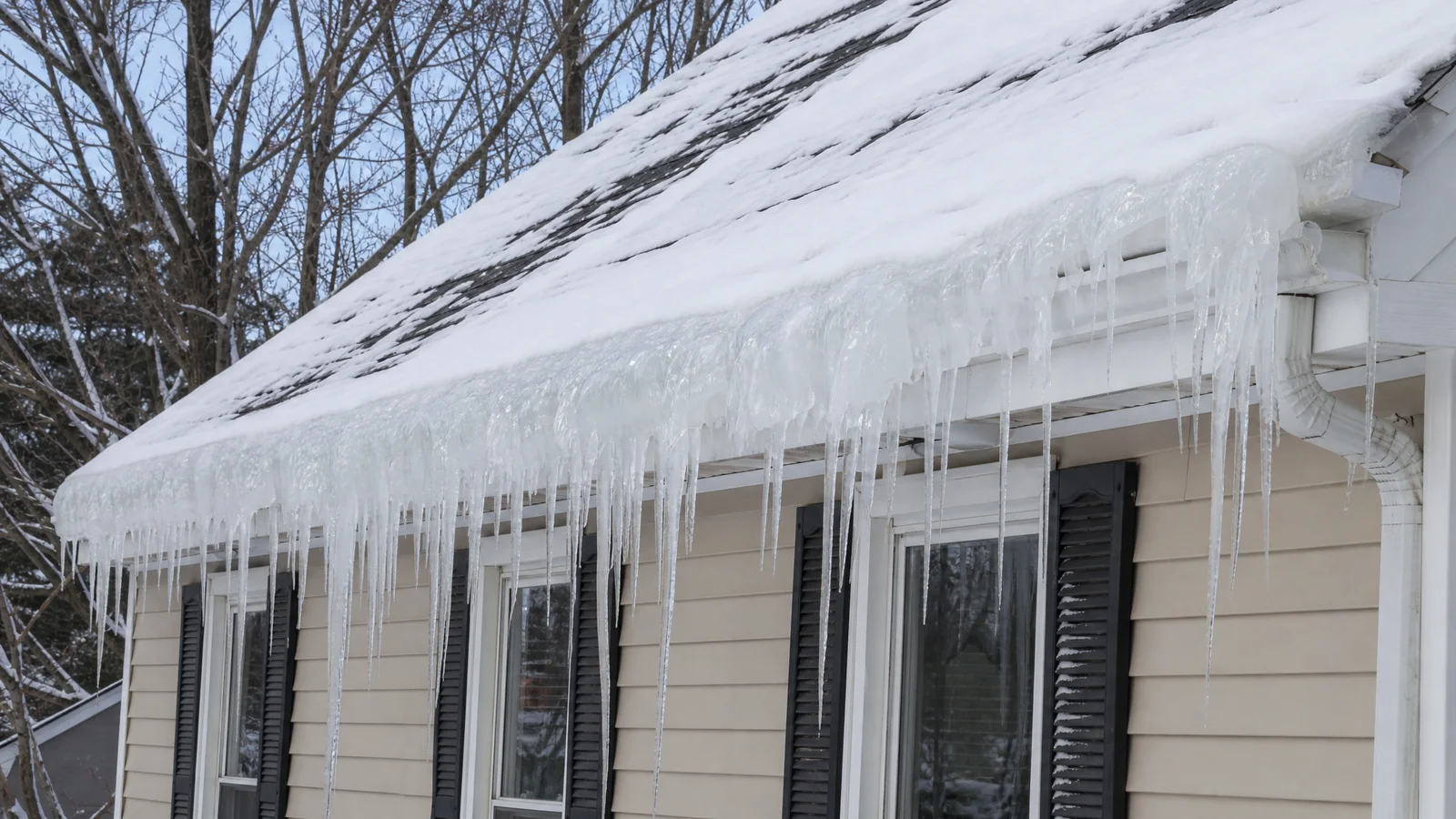
Those thick icicles hanging from your gutters in February may look like a winter postcard, but they are often the first visible sign of a costly problem forming on your roof. Ice dams develop through a specific temperature trap that is extremely common in Hartford County.
Heat from your living space rises into the attic and warms the roof deck. That warmth melts the snow sitting on the upper portion of the roof. The meltwater trickles down until it reaches the cold overhang at the eaves, where it refreezes into a solid ridge of ice. As this dam grows, water pools behind it and has nowhere to go except backward, pushing under the shingles and into the home.
West Hartford receives 38 to 52 inches of snow in an average winter. That volume of snow, combined with the freeze-thaw cycles that define Connecticut’s climate, makes ice dams one of the most common and expensive roofing problems for local homeowners.
“A properly insulated and ventilated roof is the single best defense against expensive winter water damage.”
When trapped meltwater breaches the shingle barrier, moderate interior water repairs average around $3,000 nationally. The real cost climbs fast when saturated insulation and structural framing need replacement. We stop this cycle by addressing the root cause: the warm attic that creates the temperature difference in the first place.
Why Older Neighborhoods Are Hit Hardest
Many of the Colonials and Cape Cods in the Elmwood and Buena Vista neighborhoods were built between the 1940s and 1960s, long before modern energy codes required adequate attic ventilation. These homes often have insufficient soffit intake, blocked vent channels, and insulation that has settled over decades.
The result is an attic that traps heat efficiently, which is the exact opposite of what your roof needs in winter. Without adequate cold-air flow across the underside of the roof deck, the surface temperature stays warm enough to melt snow even when the outside air is well below freezing.
We encounter this pattern repeatedly in the homes surrounding Beachland Park and along New Britain Avenue. Retrofitting ventilation on these older structures is often the most cost-effective investment a homeowner can make to protect against winter water damage.
What Our Ventilation and Ice Dam Service Includes
Every home requires a specific approach based on its current airflow, insulation depth, and roof geometry. We start with a complete calculation of your attic environment. A healthy ventilation system requires a precise balance between intake air at the soffits and exhaust air at the ridge.
Here is what the service covers:
- Measure current intake vs. exhaust and identify imbalances
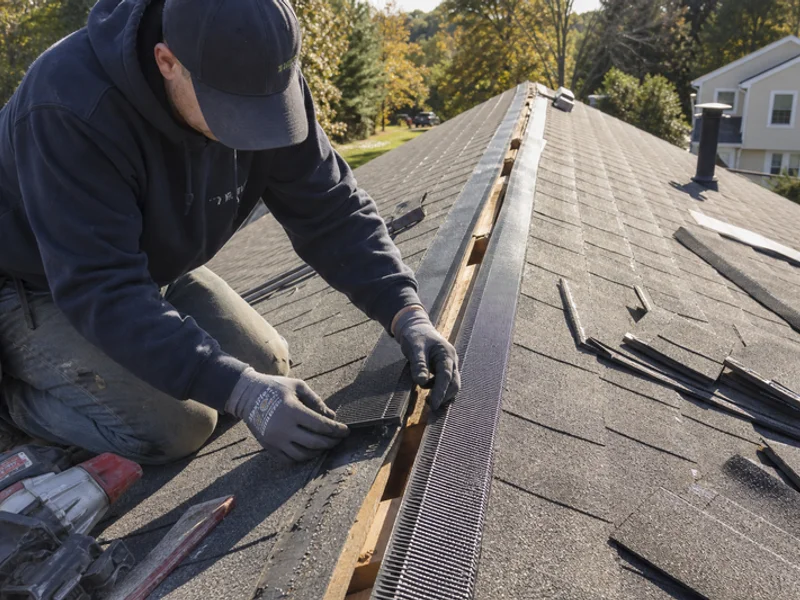
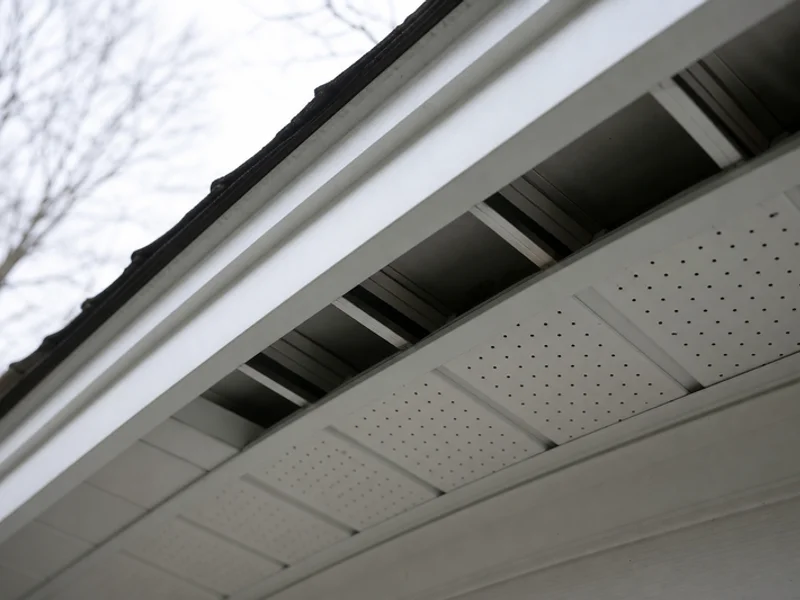
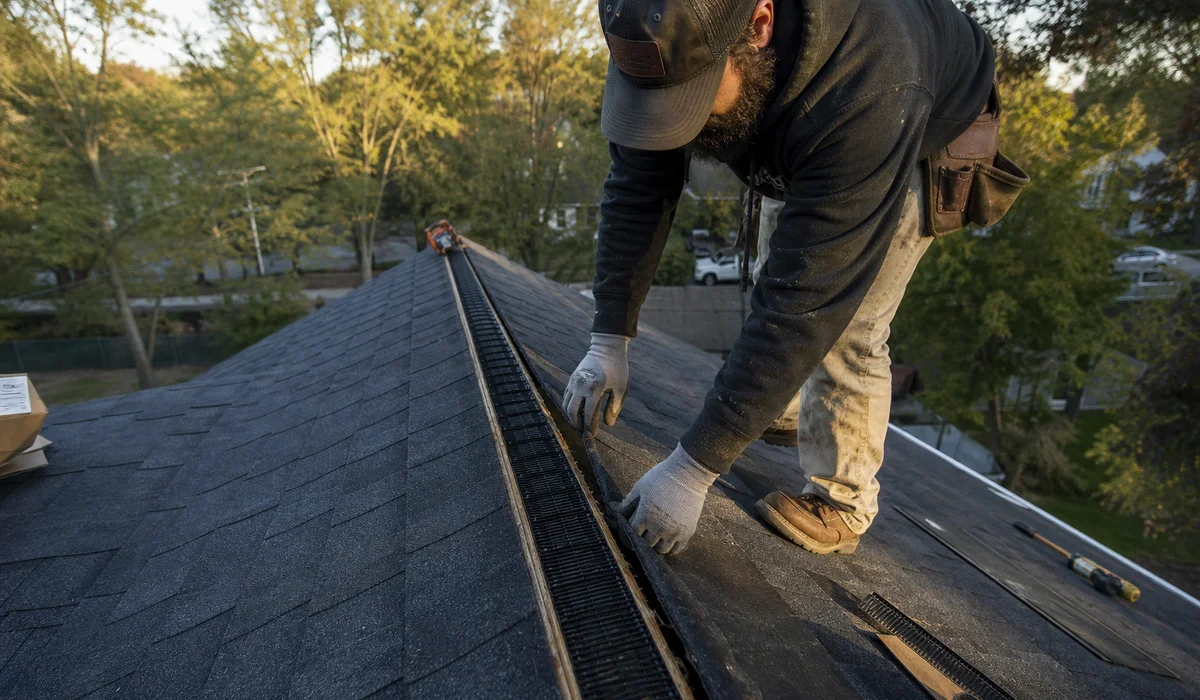
- Add ridge vents, soffit vents, or gable vents where airflow is restricted
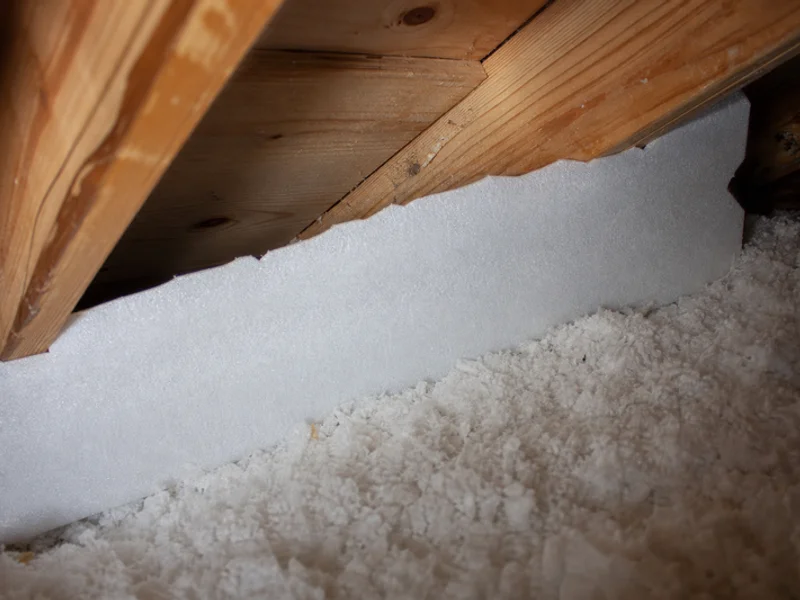
- Install baffles to prevent insulation from blocking soffit airflow
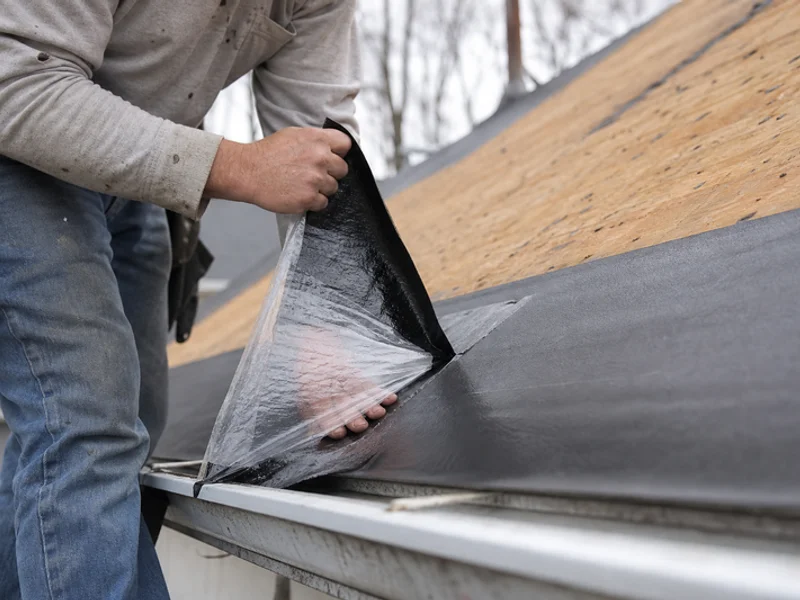
- Apply ice-and-water shield at eaves, valleys, and around penetrations
- Repair decking, insulation, or interior stains from past ice-dam damage
Balancing Airflow for a Colder Roof Deck
Proper attic circulation ensures the roof sheathing stays close to the outside air temperature. When the deck is cold, snow stays frozen in place instead of melting into a dangerous cycle of runoff and refreezing at the eaves.
Many older homes lack adequate soffit vents, which chokes off the fresh air intake that drives the entire system. Without open intake vents, your attic acts like an oven, trapping heat and accelerating snowmelt on the roof above.
Our installers add high-efficiency ridge vents or gable vents where they will create the greatest impact. To protect this airflow, we install durable baffles that keep thick insulation from accidentally blocking the soffit channels. A single blocked vent can undermine the entire ventilation balance.
| Ventilation Component | Location on Roof | Primary Function for Ice Prevention |
|---|---|---|
| Soffit Vents | Underneath the roof eaves | Pulls in cold outside air to cool the underside of the deck. |
| Protective Baffles | Inside the lower attic edges | Keeps insulation from blocking the intake vents. |
| Ridge Vents | Along the very top peak | Allows trapped warm air to exhaust out of the attic. |
Upgrading Your Ice-and-Water Barrier
Balanced airflow alone cannot protect a roof that already suffered structural damage from previous winters. A secondary defensive layer is required for the meltwater that inevitably pools at the eaves.
We install self-sealing ice-and-water shield along all vulnerable edges, valleys, and roof penetrations. Products like Owens Corning WeatherLock physically seal around nail shanks, blocking backed-up water from reaching the wooden decking. Connecticut building code requires this barrier at eaves on new roofs, but many older homes in West Hartford lack it entirely.
For our region, energy experts recommend attic insulation at R-49 or higher using blown-in cellulose or closed-cell spray foam. That insulation keeps your heating inside the living space where it belongs, reducing both your energy bills and the heat load on the roof deck.
The First Winter Without Ice Dams
The first winter after a proper ventilation fix is a revelation for homeowners who have spent years chipping ice off their gutters in freezing temperatures. When the system is balanced correctly, snow stays frozen on the roof surface, drains naturally during thaw periods, and no water forces its way back under the shingles.
We follow up after the first winter to verify the results. No dams, no leaks, and no interior stains means the fix held. That confirmation is the real measure of success for this service.
Call West Hartford Roofing at (203) 824-0275 to schedule a ventilation assessment before the next winter season arrives.