Last updated:
Why Your Gutters Are Part of Your Roof System
Most homeowners think of gutters and roofing as two separate projects. They are not. Every drop of water that your roof sheds is supposed to end up in the gutter channel, travel through the downspouts, and discharge safely away from your foundation. When any link in that chain fails, water goes exactly where you do not want it.
Connecticut receives roughly 49 inches of rain annually, well above the national average. That volume of water needs a clear, unobstructed path from your roof to the ground. When a gutter sags, a seam splits, or a downspout clogs, overflow starts eating at your fascia, soffit, and eventually the structural sheathing behind it.
We approach every gutter repair as a roof-system problem, not just a metal-channel fix. That perspective catches issues that gutter-only companies miss entirely.
Common Drainage Problems and How We Fix Them
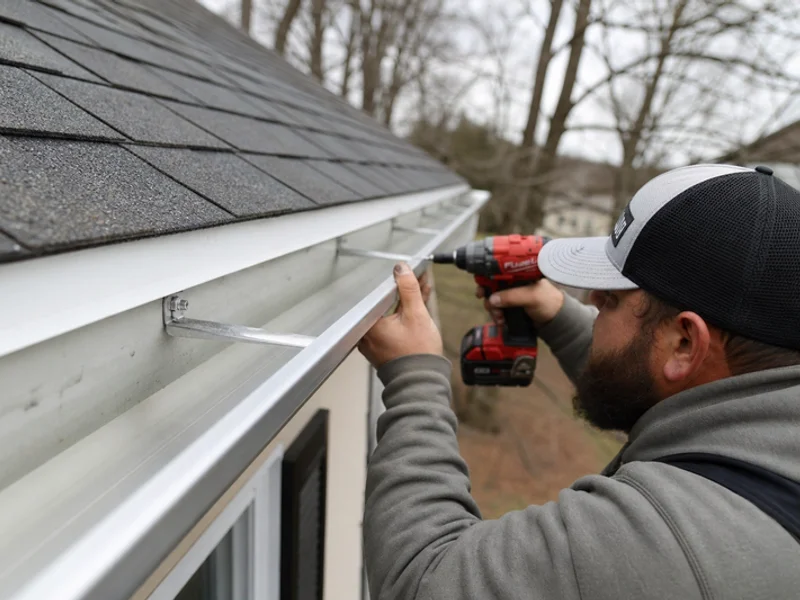
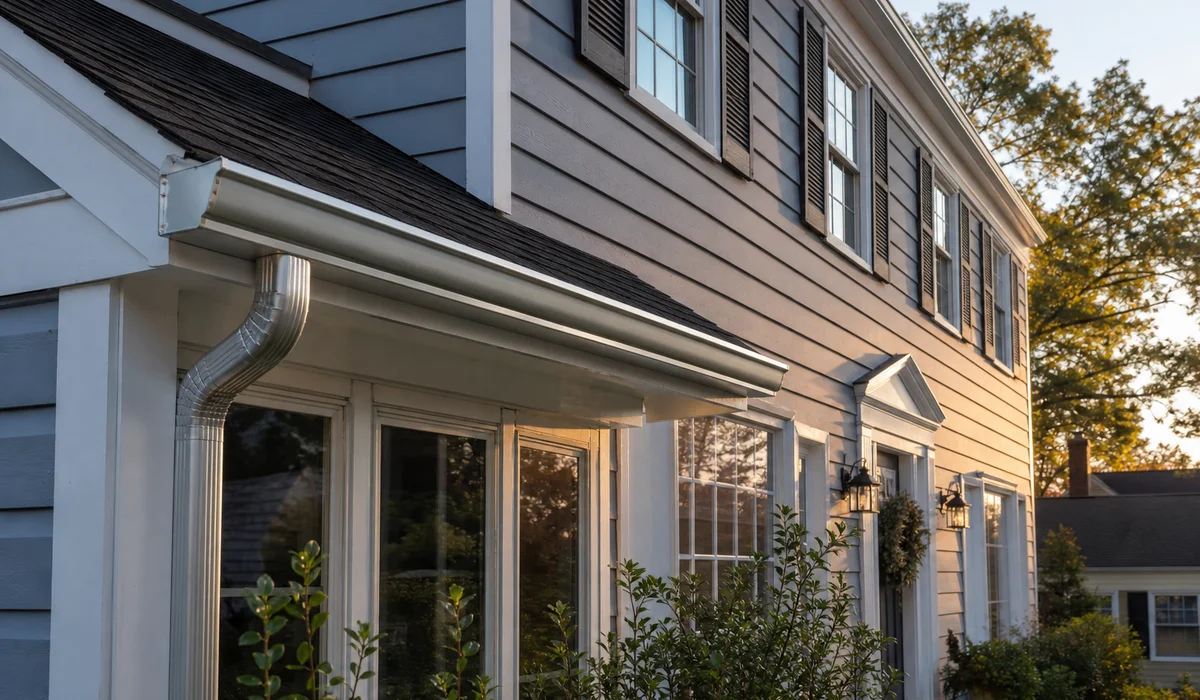
A functioning drainage system requires precise pitch, properly spaced hangers, and sealed joints at every connection point. Many older homes across West Hartford still rely on traditional gutter spikes that gradually pull free from aging wood. Our crews replace those outdated spikes with heavy-duty hidden hangers spaced 16 to 24 inches apart for maximum holding strength.
| The Drainage Problem | The Hidden Cause | The Proper Fix |
|---|---|---|
| Sagging gutter runs | Failing traditional spikes or weak hangers | Re-hang with hidden brackets and heavy-duty screws |
| Failed seams and end caps | UV damage and extreme temperature swings | Strip old sealant and apply high-grade polyurethane |
| Poor pitch | Shifting foundation or sloppy installation | Re-pitch to the standard 1/4 inch per 10 feet of run |
| Clogged or crushed downspouts | Debris buildup or accidental landscaping damage | Clear obstructions or install new oversized aluminum pipe |
| Damaged or rotted fascia | Water wicking behind a poorly placed gutter | Replace rotted wood and add proper drip edge flashing |
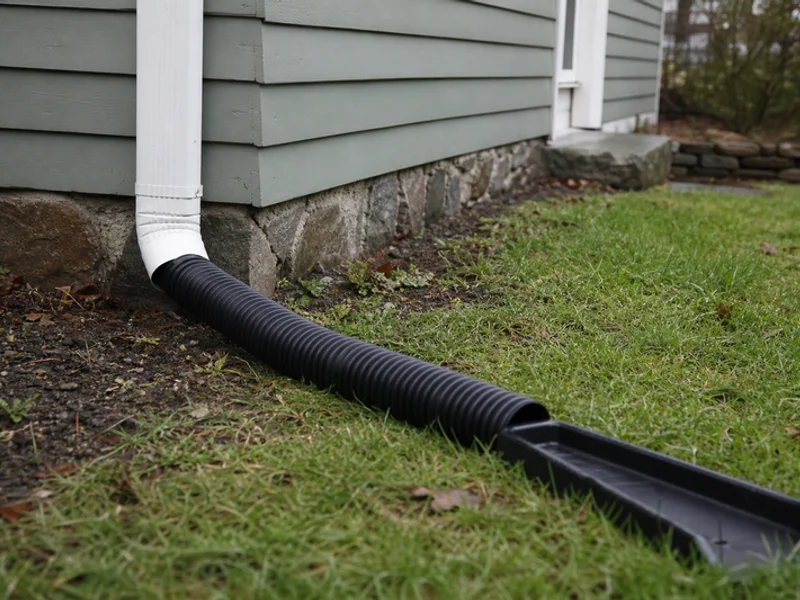
| Missing downspout extensions | Settling soil near the foundation walls | Add solid extensions pushing water at least 5 feet away |
Tree Cover and Gutter Performance in West Hartford
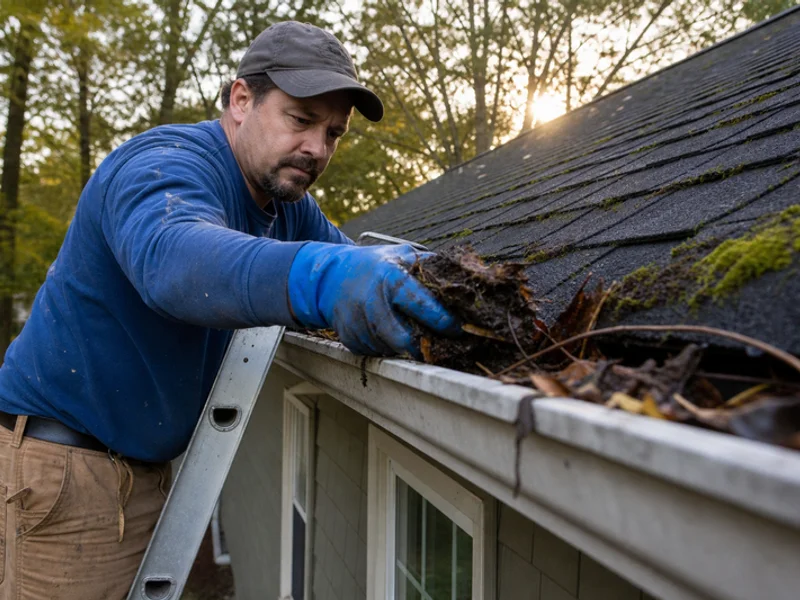
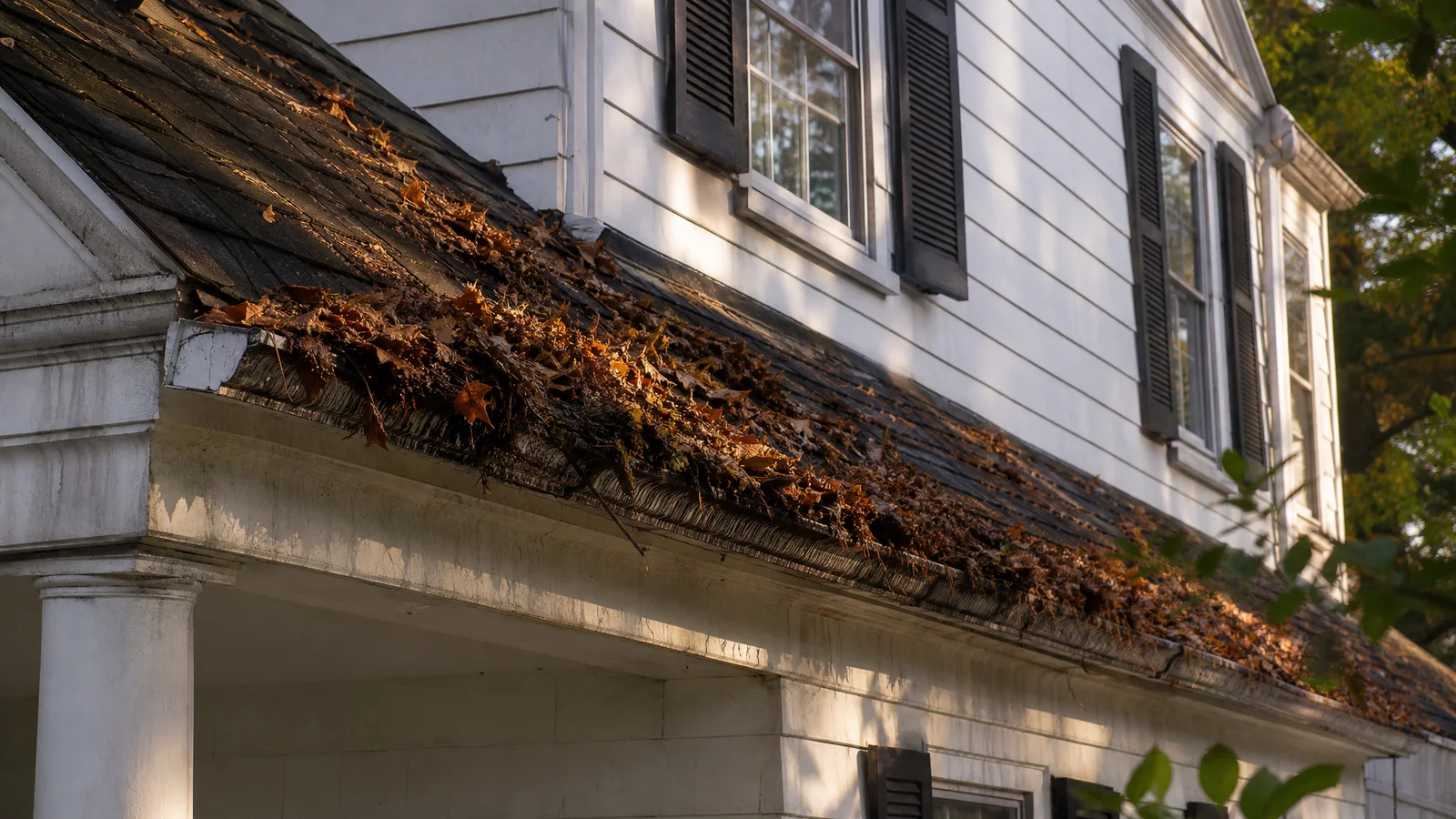
Properties near Westmoor Park and along Flagg Road deal with heavy tree canopy that drops leaves, pine needles, and small branches into gutter channels all season long. This organic debris creates dense clogs that standard cleaning cannot always prevent.
For these heavily wooded lots, we recommend high-quality gutter guard systems that reduce cleaning frequency from three or four times a year down to once. In more open neighborhoods along Park Road or near Blue Back Square, a solid twice-a-year cleaning schedule is usually sufficient.
We give every homeowner an honest recommendation based on their actual tree exposure, not a one-size-fits-all sales pitch.
How Gutter Failures Lead to Expensive Roof Damage
Water that cannot drain properly overflows the front edge of the gutter channel. During a spring downpour, that overflow mostly creates a messy nuisance on your walkways. The real destruction arrives when freezing winter temperatures set in.
Standing water in a clogged gutter contributes directly to ice dam formation. We frequently see trapped ice force meltwater backward up the roof slope and straight into the attic. The Insurance Information Institute reported that water damage and freezing account for nearly 24% of all homeowner property claims across the US in 2026.
“Most property owners do not realize that fixing a sagging gutter today can prevent a costly roof-edge rot repair that develops over just two Connecticut winters.”
Consistent overflow saturates the fascia board behind the gutter and rots the wooden soffit underneath. This rotting wood creates a structural weak point where high winds can lift the drip edge during the next major storm. Fixing your gutters early is genuinely one of the cheapest ways to extend the life of an otherwise healthy roof.
Foundation Damage From Poor Drainage
Gutter problems do not just affect your roof. When downspouts dump water too close to your foundation or extensions are missing entirely, that concentrated runoff can erode soil, saturate basement walls, and contribute to foundation cracking over time. The freeze-thaw cycle in Connecticut accelerates this process because water that seeps into foundation cracks expands when it freezes.
We check downspout discharge points as part of every gutter service and add solid extensions that push water at least five feet away from the foundation wall. This simple step prevents some of the most expensive structural repairs a homeowner can face.
When to Repair vs. Replace Your Gutter System
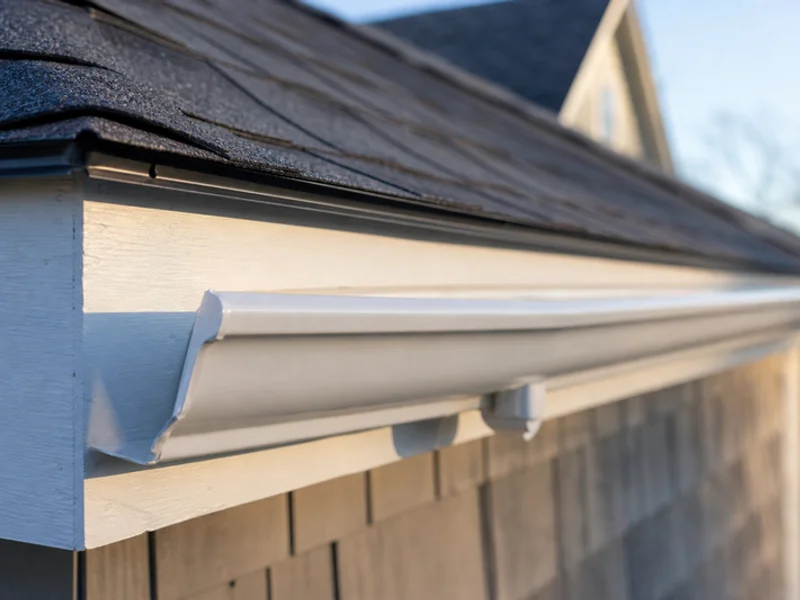
Not every gutter issue requires a full replacement. If sagging is limited to one or two runs and the aluminum is in solid condition, re-hanging with proper hidden hangers and resealing a few joints is the right call. If the system shows widespread corrosion, multiple failed seams, and rotted fascia behind it, installing new seamless aluminum gutters makes more financial sense than patching a system that will continue to fail.
We lay out both options with clear pricing so you can make the decision that fits your budget and timeline. Protecting your roof starts at the gutter. Call West Hartford Roofing at (203) 824-0275 for a drainage system evaluation, and we will make sure every drop of water ends up where it belongs.