How Long Does an Asphalt Roof Last in Connecticut?
Asphalt roofs in CT typically last 20 to 30 years. Learn the specific intervals for inspections, the climate factors that shorten roof life, and when to start planning a replacement.
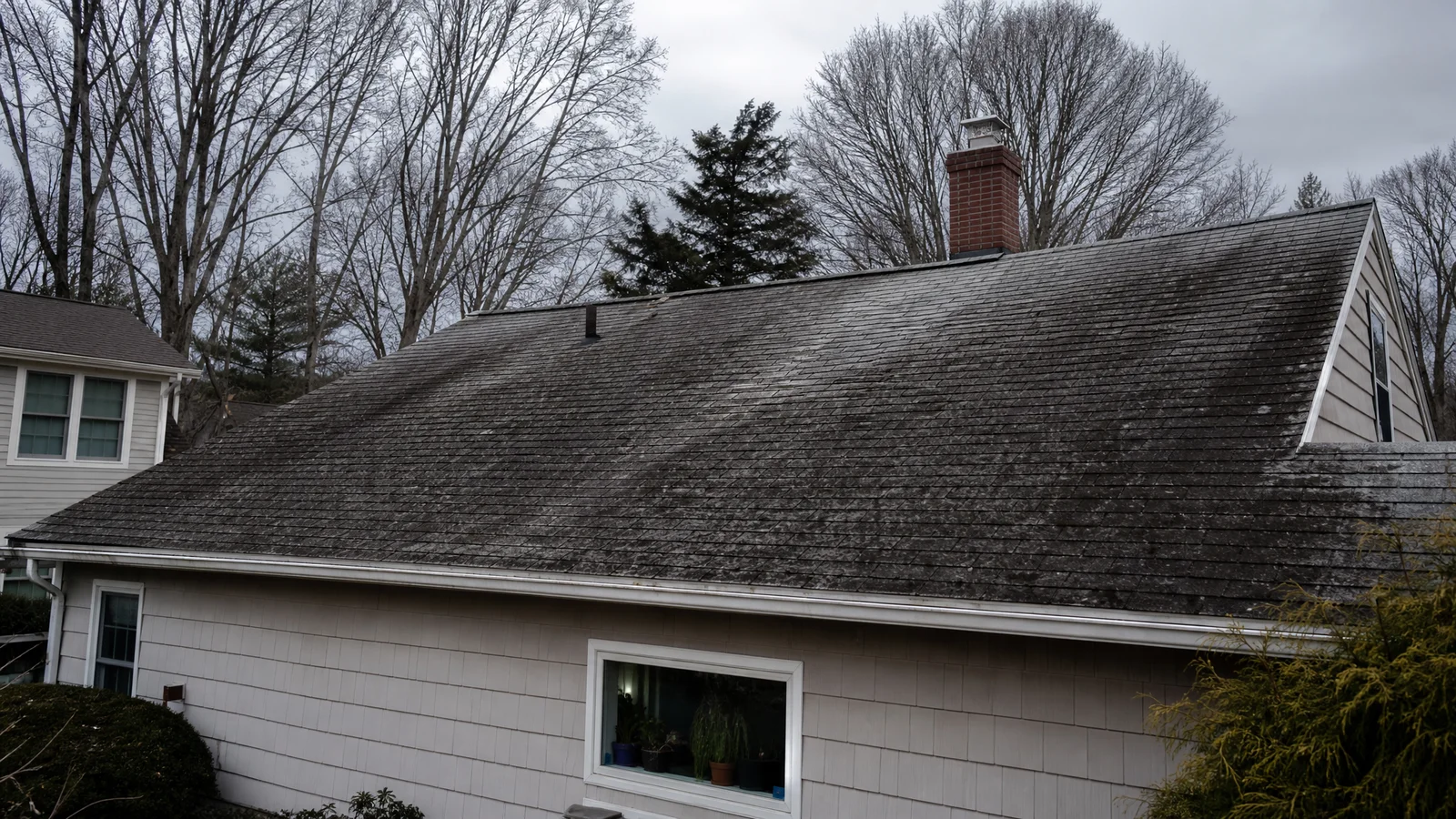
Every roofing material has a clock ticking from installation day, and Connecticut’s climate makes that clock run faster than the national average. Most asphalt shingle roofs in our state deliver 20 to 30 years of functional protection before replacement becomes necessary.
That ten-year range is not random. It reflects real differences in shingle type, installation quality, and ongoing maintenance. Understanding where your roof sits on this timeline helps you plan inspections, budget for replacement, and catch problems before they turn into emergencies.
Lifespan by shingle type
Material selection sets the baseline. The three main product tiers each carry different expected service lives in our New England climate.
| Shingle Category | Expected Lifespan | Weight Per Square | Max Wind Rating |
|---|---|---|---|
| 3-Tab | 15-20 years | 200-250 lbs | 60-70 mph |
| Architectural | 25-30 years | 300-400 lbs | 110-130 mph |
| Designer / Luxury | 30-50 years | 400+ lbs | 130+ mph |
Architectural shingles now account for the vast majority of installations West Hartford Roofing completes. Their laminated, multi-layer construction handles wind and thermal stress far better than single-layer 3-tab products, and the price difference has narrowed enough that the upgrade pays for itself over the longer service life.
Connecticut climate factors that shorten roof life
Our climate inflicts specific stresses that roofs in milder regions never face. Three factors are responsible for most premature failures.
Freeze-thaw cycling
Water seeps into micro-gaps between shingle layers, freezes overnight, and pries those openings wider. This process repeats hundreds of times each winter. North-facing and shaded slopes take the worst punishment because they stay frozen longer during the day. Over successive winters, the asphalt binder that holds protective granules in place gradually breaks down, accelerating wear across the entire surface.
Ice dams
When poor attic insulation lets heat escape through the roof deck, upper-slope snow melts and refreezes at the cold eaves. The resulting ice ridge forces trapped water backward beneath the shingles, soaking the decking and promoting rot. Connecticut building code requires an ice-and-water shield membrane extending at least 24 inches past the interior wall line specifically to guard against this problem.
Ventilation failures
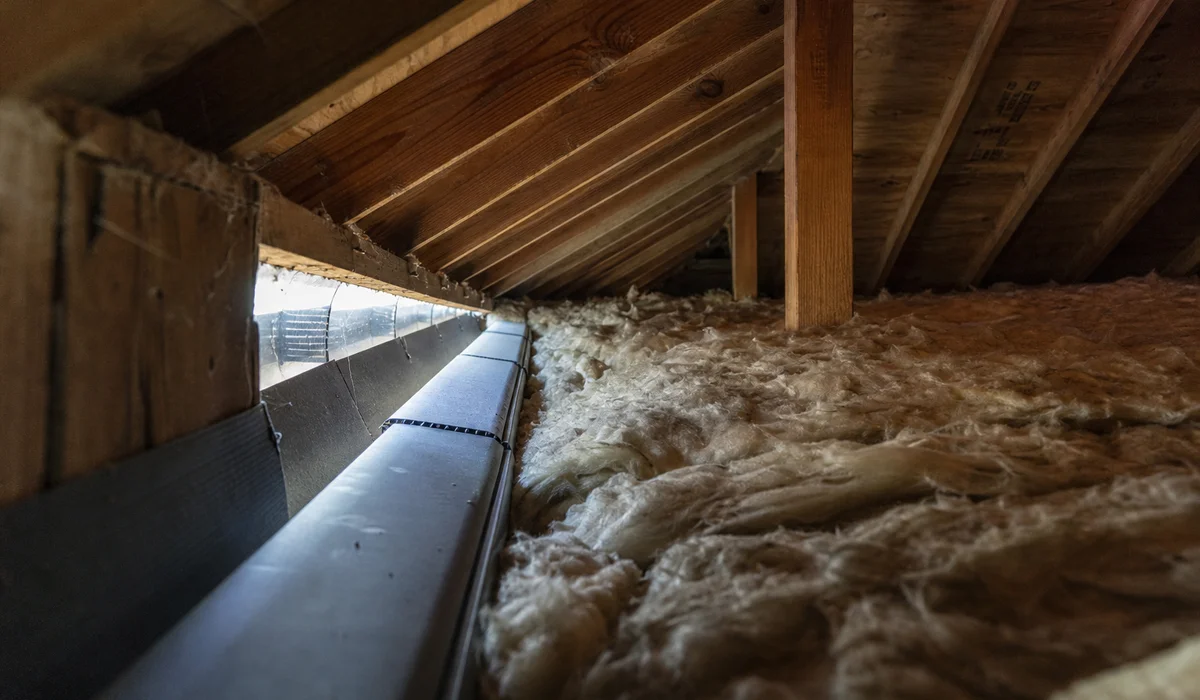
Trapped attic heat during July and August can bake shingles from below. In winter, warm moist air rising from the living space condenses on the cold underside of the deck and rots the plywood. Either scenario can subtract five to eight years from an expected lifespan. Meeting the code-mandated 1:150 ventilation ratio with balanced ridge and soffit airflow keeps attic temperatures stable year-round and is also a prerequisite for most manufacturer warranties.
Inspection and maintenance intervals
Routine maintenance is the most cost-effective way to extend any roof’s service life. The schedule below is what we recommend to homeowners across West Hartford and the surrounding towns.
- Years 1 through 9: No annual inspection needed. Clean gutters twice a year (spring and fall), trim branches to at least ten feet from the roof surface, and repair minor flashing issues promptly.
- Year 10: Schedule a professional baseline inspection to document the current condition of every component. This gives you a reference point for all future evaluations.
- Years 11 through 14: Inspect every two years. Watch for early granule loss in gutter downspouts and minor curling at shingle edges.
- Year 15 and beyond: Move to annual professional inspections. Deterioration accelerates during this phase, and catching a small problem early costs a fraction of a structural repair.
- After any major storm: Wind gusts above 60 mph can break shingle seals without leaving obvious ground-level evidence. A post-storm check catches hidden lift damage before the next rain.
- Following heavy-snow winters: Inspect for underside moisture damage caused by ice dams, even if no leaks appeared inside the home.
- Before a property sale: A written inspection report provides documented leverage during negotiations and reassures buyers.
Our detailed roof inspection service page covers every step of a professional evaluation and what you should expect from the report.
Practices that add years
Beyond scheduled inspections, a handful of proactive measures directly extend roof life.
- Maintain balanced ridge and soffit airflow to meet the 1:150 ventilation ratio.
- Install ice-and-water shield at eaves and valleys during any re-roofing project.
- Clear gutters of debris at least twice per year to prevent water backup at the eaves.
- Address small flashing separations immediately before water reaches the decking.
When to start budgeting for replacement
Once your roof passes the 20-year mark, it is time to begin setting funds aside. Curling edges, heavy granule deposits in your gutters, or recurring interior water spots are all signals that the end of the service window is approaching. If your home still has original 3-tab shingles and is at or past 25 years, acting before the next harsh winter is the safest course.
Waiting for an emergency means making a rushed decision during the worst possible conditions. Planning ahead keeps you in control of the budget and the contractor selection. Visit the roof replacement service page to understand the modern process, or request a free estimate to find out exactly where your roof stands today.
Frequently Asked Questions
What shortens a roof's lifespan in CT? ▼
Freeze-thaw cycling, ice dams, poor attic ventilation, and intense UV exposure on south-facing slopes are the primary factors that age shingles faster in Connecticut.
Can good ventilation extend roof life? ▼
Yes. A balanced ridge and soffit ventilation system reduces attic heat in summer and moisture buildup in winter, both of which degrade shingles from beneath. Proper ventilation can add five or more years to a roof's functional life.
Related Guides
7 Warning Signs Your Roof Needs Immediate Attention
Curling shingles, ceiling stains, granule loss in gutters? Here are 7 signs your West Hartford roof needs a professional evaluation.
Architectural vs. 3-Tab Asphalt Shingles: A Clear Comparison
Learn the key differences between architectural and 3-tab asphalt shingles, including cost, lifespan, wind ratings, and which GAF or Owens Corning products suit Connecticut homes.
Choosing a Roofing Contractor in Hartford County: A Decision Framework
A step-by-step framework for vetting Hartford County roofers. Check CT HIC licensing, manufacturer certifications, insurance, warranty terms, and know the red flags before signing.
Connecticut Roof Replacement Cost: Real 2026 Numbers
Get real 2026 roof replacement pricing for Connecticut homes. Understand what drives cost, from roof size and pitch to material grade and permits, and learn how to read a proper quote.