Signs It's Time to Replace Your Roof, Not Repair It
Recognize the specific warning signs that mean your roof needs full replacement rather than another patch, with urgency levels for each condition.
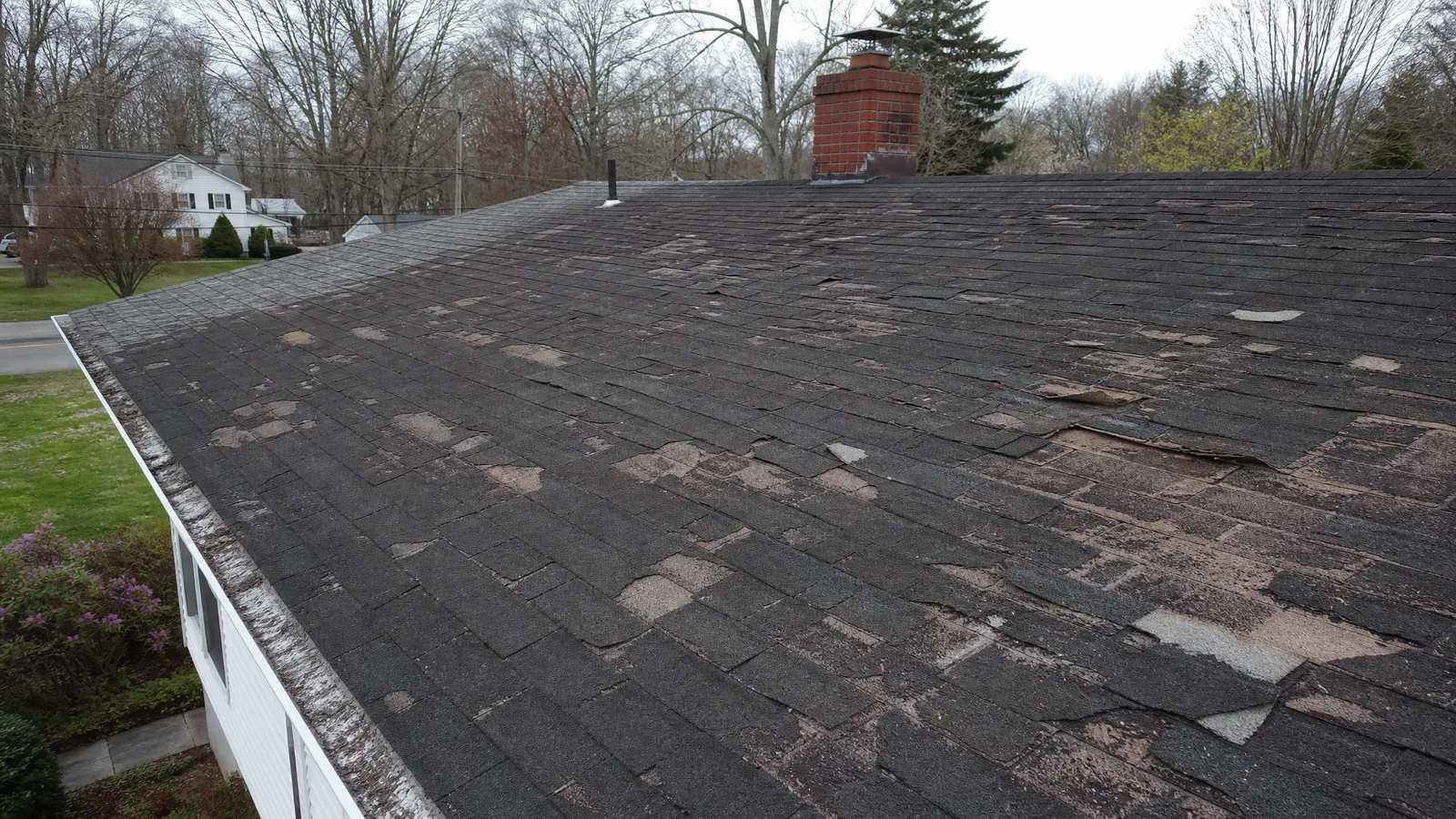
Patching a failing roof feels like the cheaper option in the moment. In practice, repeated repairs on a system that has reached end of life cost more over five years than a single full replacement with decades of protection built in.
The difference between a roof that still has repair life left and one that needs complete replacement comes down to recognizing specific failure patterns and understanding how urgent each one is. This guide covers the warning signs that push a roof past the repair threshold, organized by the level of action they demand.
High urgency: act within weeks
These conditions indicate active structural compromise or immediate risk of interior water damage. Delaying action beyond a few weeks significantly increases the total project cost.
Rotted or soft decking
Once the plywood or OSB sheathing beneath the shingles absorbs water and begins to delaminate, no amount of surface repair restores structural integrity. The damaged wood must be cut out and replaced during a tear-off.
Warning signals visible without climbing the roof:
- Sagging roof planes visible from the street or driveway
- Soft, spongy spots felt when walking the surface
- Recurring ceiling stains that appear in the same location after every rain
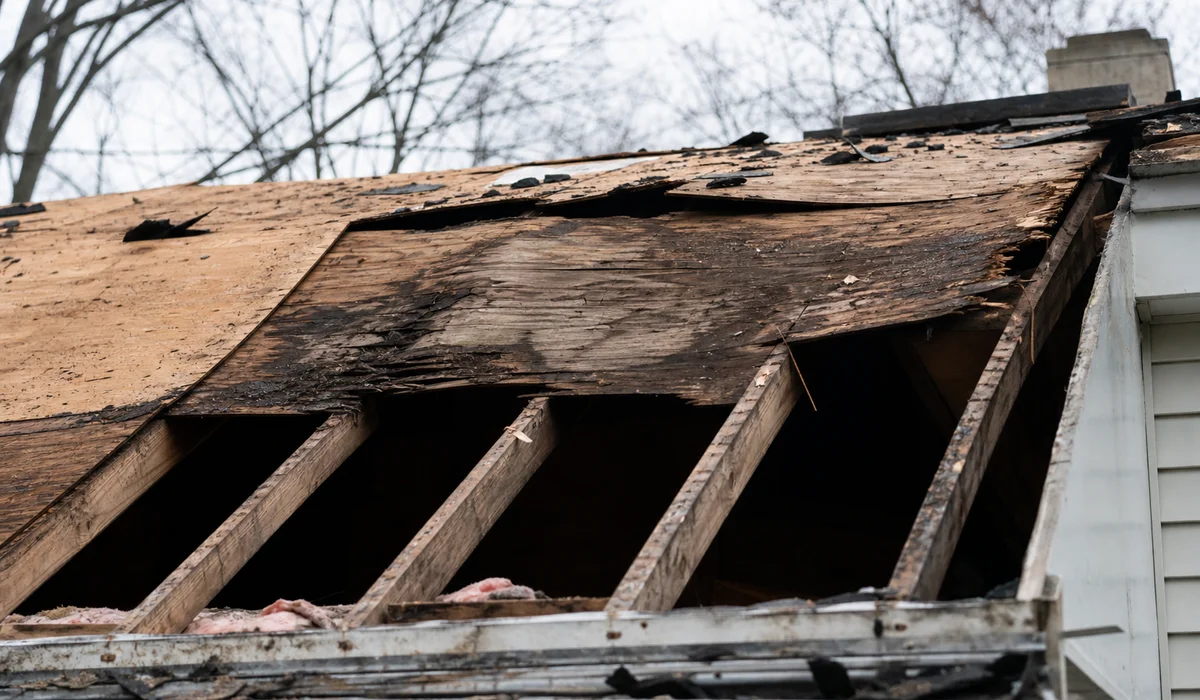
Replacing rotten decking adds approximately $70-$90 per 4x8 sheet to the project total. Catching it early, before rot spreads to adjacent sheets and framing members, keeps that cost manageable.
Water damage on multiple ceilings
A single ceiling stain in one room is a localized problem that may respond to a targeted repair. Stains appearing on multiple ceilings in different parts of the house indicate a total failure of the roof envelope.
Water traveling through the attic degrades insulation, reducing thermal resistance and driving up heating and cooling costs. Left untreated, persistent moisture creates conditions for mold growth inside wall cavities. When water has repeatedly bypassed the underlayment, repairing individual shingles addresses symptoms while the underlying barrier continues to fail.
Moderate urgency: plan replacement within months
These signs mean the roof system is in its final phase of functional life. Replacement can be scheduled on your timeline, but waiting beyond one full season risks escalating damage.
Damage across multiple roof slopes
Isolated damage on a single slope is a standard repair scenario. When curling, buckling, or granule loss appears on every visible slope simultaneously, the entire shingle system has aged past its performance window.
The specific failure patterns that indicate system-wide material breakdown:
- Curling edges - the asphalt base has dried and contracted, pulling edges upward
- Buckling mats - shingles tent in the center, often caused by poor ventilation pushing heat against the deck
- Bald patches - areas where the protective fiberglass mat is directly exposed to weather
- Lifting tabs - factory adhesive strip failure leaves shingles vulnerable to wind uplift
Three or more leak repairs in three years
Paying for leak repairs three times in three years at different locations on the roof is the clearest financial signal that the system needs replacement. Each repair typically runs $500-$2,500, and the cumulative cost buys nothing permanent.
| Approach | Initial Cost | 5-Year Total | Long-Term Result |
|---|---|---|---|
| Reactive patching | ~$1,500 per visit | $4,500 - $7,500 | Roof still needs replacing |
| Full replacement | $9,000 - $18,000 | $0 maintenance | 25-30 years of protection |
Massive granule loss
Granules provide UV protection for the asphalt mat beneath. When they wash away at scale, the exposed asphalt bakes, dries, cracks, and loses its waterproofing capacity within one to two seasons.
Three stages of granule degradation to watch for:
- Heavy gutter deposits. Small amounts are normal after a new installation. Heavy sand-like buildup in gutters and at downspout outlets on an older roof indicates active deterioration.
- Visible dark patches. The black asphalt layer becomes visible from ground level where granules have washed away.
- Cracking and flaking. Unprotected asphalt becomes brittle, and sections begin to break apart in moderate wind or hail events.
Lower urgency: evaluate and budget
These conditions confirm that the roof is approaching the end of its rated service life. Replacement is inevitable, but there may be time to plan and budget before conditions escalate.
Past the material’s rated lifespan
The original installation date is the primary benchmark. Once a roof exceeds its rated lifespan, any visible warning sign carries significantly more weight.
- 3-tab asphalt: 15-20 years maximum
- Architectural asphalt: 25-30 years
- Premium synthetic slate: 30-50 years
- Standing seam metal: 40-70 years
A 20-year-old 3-tab roof showing any of the signs above is fully exhausted. A 20-year-old architectural roof may have several good years left if it shows none. Material type matters as much as age. Many of the older homes in West Hartford neighborhoods like Elmwood and Bishops Corner still carry original or second-generation roofs from the 1980s and 1990s that have long passed their rated lifespan.
Failed flashing at multiple penetrations
When flashing seals fail simultaneously at the chimney, valleys, skylights, and pipe boots, the entire system is aging together. Replacing individual pieces of flashing is a short-term fix that will need repeating within two to three years as the next set of seals deteriorates.
A full replacement upgrades every penetration point at once:
- Chimney saddles upgraded to corrosion-resistant copper or aluminum
- Valley joints fitted with continuous metal shields for heavy water flow
- Skylight perimeters refitted with new step flashing
- All pipe boots replaced with fresh rubber gaskets
Insurance will not cover another repair
Carriers grow skeptical of roofs past the 20-year mark. Many current policies include depreciation clauses that reduce payout based on material age and condition. Multiple small claims on file make the property a higher risk, and visible deferred maintenance (missing shingles, obvious rot) before a storm event can result in outright claim denial.
If your insurer has already pushed back on a recent claim, that is a strong signal that the financial case for replacement has arrived.
Adding up the signs
Any single item from the high-urgency category justifies immediate replacement planning. Three or more items from any combination of categories confirms that the roof is past the point where repairs deliver meaningful value. West Hartford Roofing can review your specific situation and provide the numbers side by side.
If your property is showing multiple signs, request an honest replacement estimate so you can compare the cost of continued patching against a single investment in a new roof system.
Frequently Asked Questions
How many repairs is too many? ▼
Three separate leak calls in three years across different areas of the roof signals a systemic problem. At that point, each additional repair is money spent delaying an inevitable replacement.
What is decking rot? ▼
Water-damaged plywood or OSB sheathing beneath the shingles. It cannot be fixed from above. The damaged sections must be cut out and replaced with new sheeting during a full tear-off.
Can widespread granule loss be repaired? ▼
No. Granule loss across the full roof surface means the shingles have reached end of life system-wide. Patching individual sections only delays replacement while adding cost.
Ready to talk to a roofer?
Read about our roof replacement in west hartford service or get a free estimate.
Related Guides
Architectural vs. Designer Shingles: Choosing the Right Tier
Side-by-side comparison of architectural and designer shingles covering cost, lifespan, wind ratings, and curb appeal for West Hartford homeowners.
When to Replace Your Roof in Connecticut: Seasonal Guide
Compare fall, spring, summer, and winter for scheduling a Connecticut roof replacement. See the tradeoffs for each season and why delaying can lead to costly winter damage.
Roof Replacement Cost in Connecticut (2026)
Line-by-line cost breakdown for a CT roof replacement covering materials, labor, permits, and disposal with real 2026 price ranges for West Hartford homeowners.
The Roof Replacement Process, Step by Step
Every phase of a residential roof replacement explained with concrete steps and durations, from the initial inspection through final walkthrough.