Best Time of Year to Replace a Roof in Connecticut
Compare fall, spring, summer, and winter for scheduling a Connecticut roof replacement. See the tradeoffs for each season and why delaying can lead to costly winter damage.
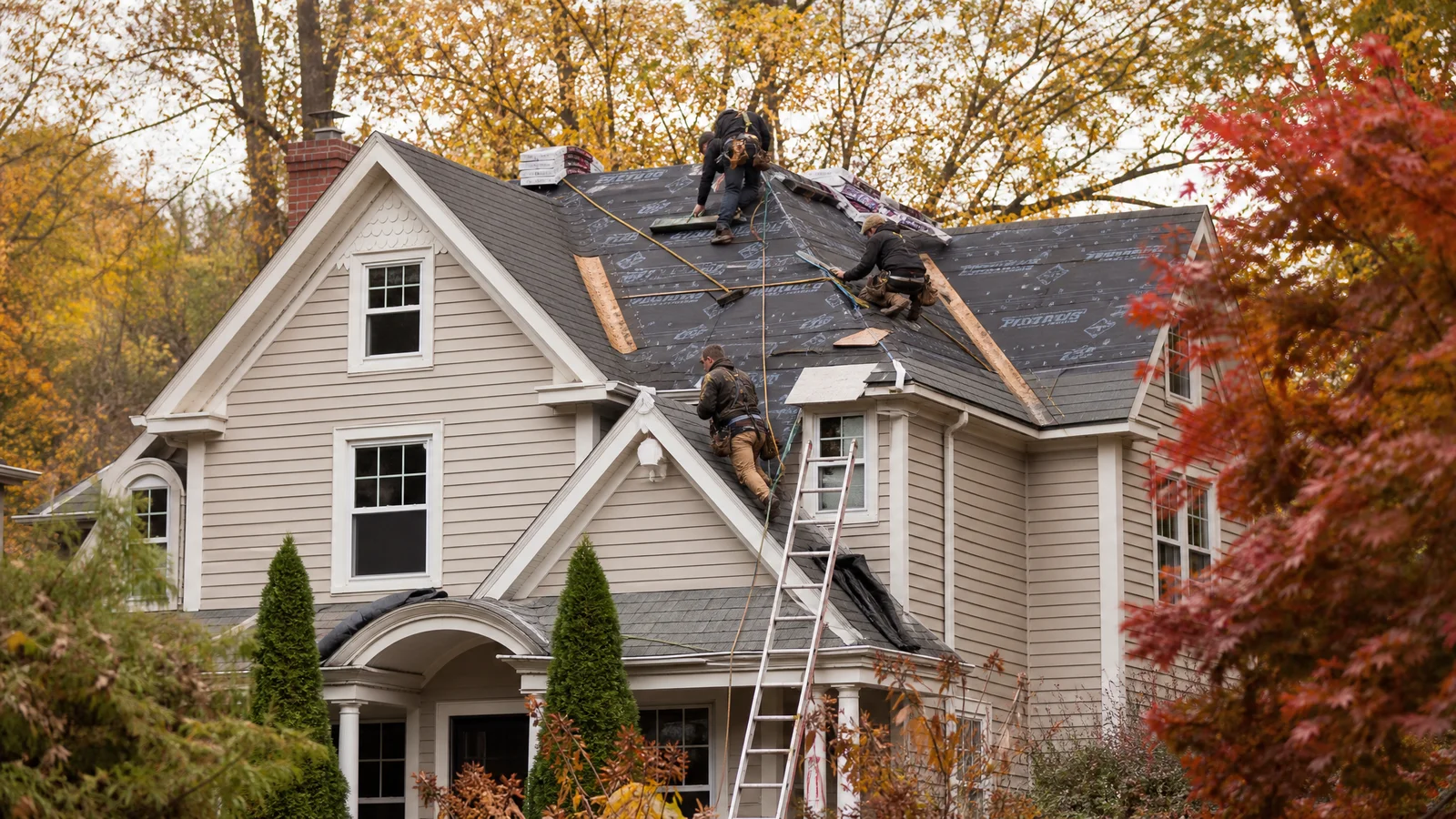
Timing a roof replacement in Connecticut means balancing weather, contractor schedules, and the risk of waiting too long. Each season brings specific advantages and drawbacks. This guide ranks them so you can pick the window that fits your situation.
Season-by-season comparison
Fall (September to November): the top choice
Fall consistently delivers the best conditions for a Connecticut roof replacement. Daytime temperatures settle into the 40 to 75 degree range, which is the ideal zone for asphalt shingle adhesives to bond and seal properly. Rain probability drops compared to spring, and crews can work full days without the extreme heat of summer.
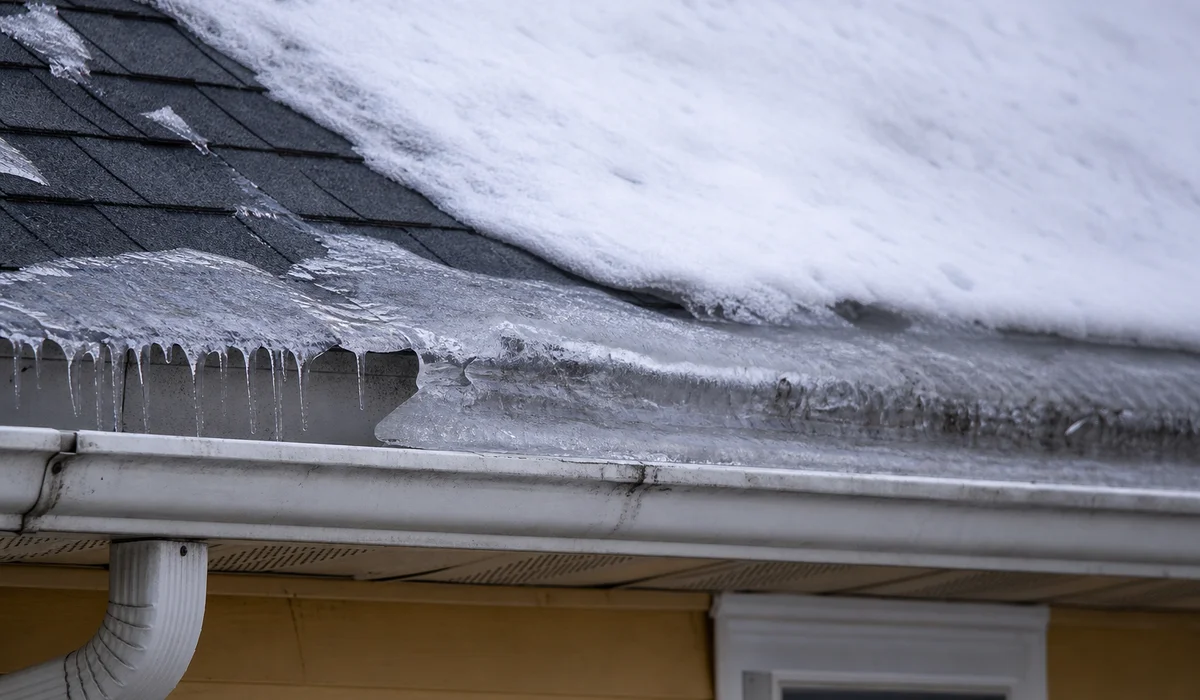
The biggest strategic benefit is timing. A roof installed in October is fully sealed before the first heavy snowfall. That means no ice dams, no freeze-thaw damage to aging shingles, and no emergency calls in January. For homeowners in West Hartford and surrounding towns where older Colonials and Cape Cods are common, entering winter with fresh materials and modern ice-and-water shield protection is a major upgrade.
Contractor schedules begin to open up by late September as the midsummer rush tapers off. Booking in July or early August locks in an October start date with room for minor weather adjustments.
Spring (April to June): a strong second option
Spring brings temperatures back into the safe range for shingle installation by mid-April. Crews are coming out of the slower winter period with open availability, and material suppliers are fully stocked.
The tradeoff is rain. April and early May bring frequent showers that can push timelines back by days or weeks. There is also scheduling competition from winter storm damage claims that many contractors are still working through. Booking in March or even late February gives you the best shot at an early spring start.
Summer (July to August): viable but demanding
Long daylight hours and fast shingle sealing make summer installations entirely workable. West Hartford Roofing regularly completes summer projects, and single-day tear-offs benefit from the extra sunlight.
The downsides are scheduling pressure and heat. Peak demand means longer wait times, sometimes three to four weeks from booking to start. Temperatures above 90 degrees soften shingles and make them prone to scuffing, so early morning starts are essential. Afternoon thunderstorms can also force unexpected shutdowns.
Winter (December to March): only when necessary
Winter work is possible on dry days above 40 degrees, but it is the least predictable season. Shingle adhesives need warmth to activate, cold materials crack more easily, and snow or ice on the deck halts the project entirely. Scheduling depends on the forecast and can shift multiple times.
The advantages are narrower: contractor availability opens up, some companies offer off-season pricing, and you gain immediate protection before the next heavy snow. If your roof cannot wait until spring, a winter installation is far better than risking a collapse or interior flood.
What to book and when
| Target Install Window | Book By | Notes |
|---|---|---|
| August to October | July | Peak demand fills the schedule fast |
| April to June | February to March | Early booking avoids the storm-repair backlog |
| November to March | As soon as possible | Weather-dependent, flexible timeline required |
The cost of waiting
Delaying a replacement that is already overdue carries real financial risk. A standard asphalt shingle replacement in Connecticut runs $12,000 to $20,000. Waiting for a failure can push that number significantly higher.
- Ice dam removal in the Hartford area costs $650 to $2,400 per event. A marginal roof exposed to one more freeze-thaw season often takes structural damage that increases replacement costs.
- Interior water damage from a midwinter leak means paying for the roof repair plus drywall, insulation, and paint.
- Insurance exposure increases when carriers flag a roof as past its useful life. Some will refuse to cover interior damage entirely.
- Emergency premiums apply to cold-weather rush jobs compared to a scheduled fall installation.
If your roof is over 20 years old and showing curling edges, bald granule patches, or recurring leaks, do not try to push it through another West Hartford winter. Booking an autumn installation locks in the best conditions and the lowest risk.
Read the full roof replacement page to see what is included, or request a free estimate to find out exactly where your roof stands. If you are already dealing with ice dam issues, visit our ice dam repair page for immediate guidance.
Frequently Asked Questions
Can you replace a roof in winter? ▼
Yes, on days when temperatures stay above 40 degrees. However, scheduling in fall avoids weather delays and removes the risk of one more Connecticut winter wearing down a marginal roof.
When is the busiest season? ▼
Late summer through fall, roughly August to October. Booking early secures better scheduling and material availability.
Ready to talk to a roofer?
Read about our roof replacement in west hartford service or get a free estimate.
Related Guides
Architectural vs. Designer Shingles: Choosing the Right Tier
Side-by-side comparison of architectural and designer shingles covering cost, lifespan, wind ratings, and curb appeal for West Hartford homeowners.
Roof Replacement Cost in Connecticut (2026)
Line-by-line cost breakdown for a CT roof replacement covering materials, labor, permits, and disposal with real 2026 price ranges for West Hartford homeowners.
The Roof Replacement Process, Step by Step
Every phase of a residential roof replacement explained with concrete steps and durations, from the initial inspection through final walkthrough.
How Long Does a Roof Replacement Take?
Most West Hartford roof replacements finish in 1-2 days. See how roof size, complexity, and Connecticut weather affect your project timeline.